The Ridges Above, The River Below
The Brisbane River runs from the coastal range down to the sea. Short, brown and wide it is not a pretty or majestic watercourse but it will surprise with its sullen, boiling power. Although the city came much later, sprawling across the flats, climbing the foothills, spreading in the warm sun, it is the river that looks like the new arrival, a sneaky python throwing its brown muscular coils around the inner suburbs.
As the coils constrict so the land rises and the inner-city streets and terraces hump and buck along the ridges and foothills creating light and airy vistas or dark, hot gullies.
The Brisbane summer can feel endless and when the storms build, they feed on the humidity blown in from the warm shallow waters of the wide bay at the river’s end. The storm clouds form inland looking for the gaps in the range, before rolling down the gullies and ravines and drenching the coastal plain. Sometimes, once or twice a lifetime the rain comes and does not go, not for days and the river rises and breaks its banks. Then the city drowns.
The Brisbane winter however, is three months of glorious clear skies with the light carving out shadows with razor sharp edges. The nights are cold but there is no inconvenience. No black ice on roads, just rosy cheeks from fresh land breezes and the very occasional frost.
On the back verandah of an old house perched on a steep street that runs off a stony ridge Sam Stuber, supposedly working from home thanks to the virus, reads an online magazine while soaking up the Brisbane winter sun. Sam feels a breeze that begun far away, down south where, like in his great, great grandfather’s birth country, winter has real chill. It cools his bare skinny thighs, raising goose bumps but the warmth of the sun on his back and neck is intoxicating as it pours down from the benevolent sun in a cloudless sky.
Sam lives on a ridge but knows the river; he was running beside it this morning at dawn, looking across the smooth face it presents to the early morning world. The river is over there, not far away as the cockatoo flies but it is also down there. Sam’s life when he is at home is one of gradients and flights of steps. The back verandah is six metres above the steep slope of the backyard. The carport is a concrete slab level with both the road and the front room’s windowsills. You walk down four steps to reach the front door. Even though Sam was raised there the house is not his, well not yet. It is his mother’s house and from her bed at the nursing home Sam’s mother is always quick to remind him that it was never the best house in the street, but it was the best street.
Sam sips his cup of tea, wishes it was a macchiato and wonders what to do next. The company he works for is struggling with the pandemic created economic downturn and Sam knows that only a few emails will require his action at some point today.
There is no rush so he closes his eyes and listens. There are greetings from magpies, currawongs and kookaburras, complaints from crows and boasts from cockatoos. Somewhere distant there is the sudden fart of a Harley Davidson as it pulls away from a traffic light but it fades and is replaced by the annoying buzzing of an out of season fly investigating Sam’s plate of toast and Vegemite. There is the persistent sound of a power saw and the pneumatic thwack of a nail gun from next door but Sam tries to ignore those noises.
Sam smells the bergamot extract in his Earl Grey tea, the distant bush in the land breeze and the winter that has arrived. He feels his breath wash in and out of his nostrils, the tide of air rolling back and forth, a slight interruption to the smooth flow as the air is forced to split and flow around some dried booger in one nostril.
The knock on the front door startles Sam and he jumps in his chair. His long legs straighten as he begins to stand up but Sam pauses, a mixture of annoyance and confusion on his face. It is a pandemic and no one should be calling. He slips his feet, already sweaty in old footy socks, into a pair of rubber thongs that wedge the sock material that sits between his big and second toes against the thong’s front plug and with a sartorial elegance that is completely and uniquely Australian lopes to the front of the house.
Sam grabs his facemask off the kitchen bench, passes the elastic loops over his ears, and opens the door to his neighbour on the high side. Harry Canyon, raised elsewhere, mid-range drug dealer and owner of the local cafe that sits on the flat across the road from the school at the bottom of the ridge where Sam’s house is perched, is renovating his old Queenslander next door. Not greatly worried by rules and laws he is a frequent interruption to Sam’s work from home life. The renovations are substantial but the work only seems to proceed in fits and starts. Harry’s lot looks like a bombsite, and for the moment Harry is according to Harry, “Copping it sweet with sleeping in the back of the café.” Sam also knows that Harry can also disappear for a few weeks at a time and his wife Maree is marooned by the virus in Croatia and living with her family in Dubrovnik.
Harry’s café, Canyon Coffee is a neighbourhood meeting place. Once a local grocery store beside a stop on a now extinct tram line the Canyon, as the locals call it has great coffee, retro fitout, funky vibe and location going for it. Harry however is no god of retail; it’s his staff that keeps the business buzzing. No doubt the café serves other purposes for Harry. In different times, before the virus, Sam joined many of his neighbours in grabbing a coffee on the way to work or after dropping the kids at school. From 6.00am to closing at 2.00pm Canyon Coffee with its leafy courtyard and second-hand chairs was always busy. Harry was often there in the mornings pretending to be helping, talking to regulars while riding down the coke high, still dressed in his nightclub or casino clothes. Always a white T Shirt, skin-tight and expensive jeans, some gold worn somewhere, white European sneakers and Panerai watch. Sam knows the mark up in coffee is big but not that big. His neighbours know it too and over time everyone in the suburb who was interested, acknowledged that Harry has other less legal revenue streams. Nobody seems to care much. It’s as if there was a role for a local villain and Harry by passing the audition had gotten the job.
Harry is short and wide; his forearms are mapped with tattoos and his grin perfect and manmade. Not that one can see it today; his mouth and nose are hidden behind a cheap disposable face mark. So Sam has learnt to read Harry by his wide set green eyes. Sometimes Harry forgets to animate them when in conversation so Sam judges the state of Harry’s mood by whether his eyes are sparkling or hooded and dead. However the state of his eyes Harry always spoke quickly,
“Hi Sam, just wanted to let you know we are pouring some footings tomorrow morning so concrete trucks etc. from about 6.00am.”
It was, being Harry, a statement of intent not a proposal.
“Sure Harry, no problem mate,” Sam answers. His voice imitates Harry’s pace and cadence because today Harry has the eyes of a shark.
Harry doesn’t reply. He is looking down at Sam’s feet.
“You’re wearing thongs with socks.”
Harry’s tone is incredulous and cold, accusatorily in fact.
“Why the fuck would you do that? If your feet are cold why don’t you just put some shoes on?”
“That just looks,” Harry pauses and shakes his head, “fucking ridiculous.”
“You didn’t wear thongs and socks together when you were growing up?” Sam asks.
“Mate where I grew up winter was real, wet and cold, not this.” Harry points up the stairs to footpath level, points out to the blue cloudless sky and the tops of the CBD office buildings just a few kilometres away.
“Well you should, it is a quick and easy solution in changeable weather or mild climates. Let’s face it, Brisbane is hardly a polar zone.”
Harry looks up; his eyes are cold and unblinking as they stare into Sam’s. And then in an instant they brighten, Sam can imagine the wide grin that is now under the facemask.
“I get it now; you are taking the piss, very funny Sam. Perhaps I will try thongs with my socks.”
Sam decides not to point out that he was at least partly serious.
**
At some point before the pandemic Sam and Harry had come to know each other’s names and Sam became a regular who Harry would greet when he came into the cafe. Sam enjoyed the small but real status this brought him. He thought, not incorrectly, that a certain fellow coffee drinker and 7.40am bus traveller always looked up when Harry and Sam exuberantly greeted each other. Sam found her attractive. So one morning, when Harry had a coffee made for Sam gratis and then asked a favour of Sam he didn’t say no right away. Sam did ask what it was that Harry wanted; Sam wanted to know how deep the water was before he swam out.
Harry gestured Sam over to a vacant table and they sat down. Without any preamble Harry asked Sam to keep a backpack for him. Harry pointed to the backpack where it sat under the sink in the food preparation area. It was an old Crumpler and it looked full to capacity and heavy. Harry told Sam to put it in a cupboard at home until Harry asked for it. Harry did not know when that would be, could be weeks, could be months but all Sam had to do was just leave it in the cupboard like a shirt he didn’t like anymore and one day Harry would collect it. Sam asked Harry if he knew where he lived and Harry said yes and then that he told Sam that he had bought the house next door to him from Mr Jensen who was going into a retirement village. Harry did not tell Sam how he knew that Sam lived next door to Mr Jensen and he didn’t feel it necessary to tell him not to open the backpack. Sam still said OK.
Harry starts to leave but pauses at the top of the stairs so he can look down at Sam in the doorway. “You know I was going to buy this house down on the river. It was big, eight bedrooms and bathrooms, pool, gym, media room, all the work had been done, even had a pontoon for a boat, just move straight in. Maree loved it. Then I thought, no. Why would I want to be down there looking sideways at a dirty brown river when I could be up here above it all looking down over everyone? Much smarter.” He paused and looked up and down the street. “You actually have even a better view than me but this house is all wrong. Your verandah is out the back facing the wrong way. My house is going to have two verandahs, front and back. I want to see the sunrise and the sunset from my verandahs. And Sam while I remember, you know if your mother ever wants to sell you make sure you tell me first before she does anything. OK? Make sure you do. I will make a good offer, you know that”
Harry walks away. Sam shakes his head but only after shutting the door. Recently Sam heard a story about Harry and a man’s hand being held in the sandwich press, how some blackened skin was found sticking to someone’s breakfast Panini. Harry’s backpack still sits on the floor of Sam’s bedroom cupboard underneath a new polo shirt that Sam bought but no longer likes. The shirt is a brand that Harry wears but from the minute that Sam bought the shirt it never felt right on him.
Early the next morning Sam leaves to go the the gym, newly reopened after an easing in pandemic restrictions. As he drives down off the ridge a light truck and two Utes head up the street. By the time Sam comes back an hour later there are six men in dirty hi vis work clothes and knee-high boots filling, spreading and smoothing the concrete which is being pumped into the excavation and footings from one of the two large cement mixers parked in front of Harry’s house. Sam squeezes his car through the narrow gap between the trucks and the cars parked on the other side of the road and parks in his carport.
He gets out, grabs his old gym bag from the back seat and Harry resplendent in
black and yellow striped footy socks pulled up to his knees and cheap thongs accosts him. He is not wearing a mask.
“Hey Sam, how do I look? Hee hee.” Harry giggles, his smile is broad and today his eyes are bright with humour.
“These thongs with socks are a great idea of yours. I am glad you got up early because we have been a bit noisy I think, but we are almost finished now.”
Harry turns and waves an arm across the road towards the only other unrenovated house in the street.
“Mrs Heathwood across the road came and gave me an earful earlier. Apparently we started too soon this morning.”
Harry’s tone indicates that his disturbance of Mrs Heathwood is not an issue that is going to keep him awake at night. Mrs Heathwood, a retired public servant lives a quiet life in the old workers cottage. She bears a striking resemblance to Margaret Whitlam, spends most of her time cultivating rose bushes with large fragrant blooms while trying to keep the noise, any noise down.
“Harry, when do you want the um the backpack back?” Sam asks. His voice is cautiously neutral in tone.
Harry’s good humour falls from his face. His eyes go dead and focus on a point past Sam’s left shoulder, the smile becomes a rictus but his speech remains pleasant and quick.
“Soon Sam, don’t you worry about it, there won’t be a problem. I will collect it soon. If you need a new backpack for gym or something let me know. I will get you one.” Harry turns and goes back to his yard and watches as the concreters pack up, one or two of their number still smoothing and fussing over the wet concrete. Sam goes into his house. The next morning when Sam leaves to go for a jog there is a plastic supermarket bag on his front step. Inside is a backpack, not a Crumpler, the backpack is a new Prada, made of soft leather and some new, high technology fabric.
**
It is a surprise when after that day there is no further work on Harry’s renovations. The temporary fencing remains up and the front yard stays filled with stacks of timber, a half-filled dump bin, a blue portaloo and a pallet of tiles. The half of the house that Harry did not demolish is still waiting, skeletal and forlorn, its wounds wrapped in plastic. The weeks go by and of Harry himself there is no sign. His massive black American SUV remains parked behind the café, dusty and untouched.
As if by osmosis the neighbourhood simultaneously comes to the opinion that Harry has met a bad end. A heavy weight, perhaps concrete in nature and the wide bay at the mouth of the river are said to be factors. This is from people whose only experience with the criminal underworld has come from watching the box set of The Sopranos. Still Sam thinks it is a reasonable piece of supposition especially after the local media ran stories on Harry’s disappearance, criminal record and photos of Harry partying with senior members of a large nationally organised bikie gang. The said members seemed to have an incredible amount of expensive boy’s toys and large homes undergoing endless renovations just like Harry. They wore tight white T shirts and gold jewellery and did not seem to work very hard themselves, also just like Sam’s missing neighbour.
The police come by a couple of times and walk in and around Harry’s renovations before leaving. Sam watched from his verandah while he worked on one of his two days a week from home, business having improved. They even knock on Mrs. Heathwood’s door and lose twenty minutes of their lives learning nothing they didn’t already know. Sam is ready to talk to them too, not about the backpack of course but they never ask.
**
By early summer the weeds are tall from the above average rain on Harry’s land next door. The fence is still up, the unfinished house is still wrapped in plastic and a security guard cruises by a couple of times a week to shine his torch from the comfort of the car, lighting up the brick walls of the unfinished renovation. The Canyon Café is open; gossip is that Maree is calling the shots, paying the bills from Dubrovnik and trying to come home.
One night Sam is home late from a street party celebrating the further dropping of pandemic restrictions. Drunk and not alone, his fellow bus commuter Audrey, the one who looked up every time Harry had greeted Sam has accepted his offer of an escort home. Everyone at the party knew she is not really going home. After doing what everyone expects Audrey falls asleep but Sam, in the bathroom urinating before re-joining her in his bed, hears a noise next door at Harry’s. Keeping the lights off, he creeps to the back verandah and sees a figure using the light of a mobile phone, cutting and then sliding through the black plastic sealing off the half-built house. The figure is short and wide in silhouette and Sam is sure it is Harry. Sam goes to the cupboard and grabs the backpack, opens the front door and puts the Crumpler on the front step before closing and locking the door. He watches, but after a while when the figure does not emerge, Sam goes to bed. A little later Sam half awake and dreamily spooning Audrey thinks he hears voices, maybe one is a woman’s but he falls back asleep, his nose filled with the clean scent of Audrey’s shampoo. The next morning the backpack is still on the step untouched. Sam puts it back in the cupboard.
Four days before that night, a tropical low had spun up between Noumea and North Queensland and as the conditions were right it soon turned into an early season cyclone. The day after the street party the cyclone, after speeding through the Coral Sea, unexpectantly turns and roars across the coast at Noosa giving some of the homes of the wealthy a mighty touch up before turning into a rain depression and dumping over 900 millimetres of rain on the Brisbane area in just 40 hours. The rain starts early in the morning just as Audrey catches an Uber for the 150-metre journey to her home and the rain builds until it is torrential. Sam grabs a coffee from The Canyon while waiting for the bus: already the gutters are overflowing and the biggest umbrellas struggling with the downpour. There is no one else in the café and Sam wonders whether it is because of the rain or Harry. Under his umbrella and on a whim Sam walks around to the back of the cafe, Harry’s ute has gone. Sam catches the bus into the city before heeding the weather warnings and returning home at lunchtime.
After dark the rain falls even harder and Sam, high on the ridge and alone, listens to the endless roar on the tin roof, scared that any minute his mum’s house will just slide down the hill into the valley below. It rains all night and the next day. There is little wind, no lightning or thunder, just the teeming rain.
The river rises. At first it is sneaky, bubbling up from backed up storm water drains hundreds of metres from its channel before the full effects of the deluge overwhelm the riverbanks changing the river into a seething irresistible monster three hundred metres wide, surging downstream to the bay and taking everything in its past. It spreads fast and wide, whole suburbs go under including the low ground where Harry’s café stands.
Sometime in the early morning on day three the rain begins to slow and by dawn there is just a drizzle falling from a lightening sky.
Sam is up early and he walks down the hill from his house to the flood. There are barricades but no police and no other gawkers. The Canyon Café is underwater, only the tin roof and gutters just visible above the brown runoff trying to follow the ancient built over creek course. There is so much water but it doesn’t flow at all. There is nowhere for it to go. Sam stands for a while and then walks back home.
Twenty-four hours later the flood level at the Canyon Café is down to waist level and at dawn Sam wades into the flood and makes his way to the cafe. He goes down the side of the building to the carport around the back. Harry’s ute is back in its spot but now the black paint and tinted windows are streaked in mud from top to bottom. The driver’s window is down and looking in Sam can see ruined upholstery and the keys still in the ignition. He looks into the tray of the ute.
He sees the human form and with little surprise realises it is Harry. Harry has been chained and barb wired to a concrete sleeper but for some reason he hasn’t made it to his final resting place. Some of Harry wasn’t there, his face is pulpy, he has no hands but the forearms with their tatts are still there, the custom-built smile is missing in the mud filled mouth but it is the one black and yellow footy sock sodden and at half-mast on the doughy scratched calf and the rubber thong held onto the foot by the barbwire that wraps around the body’s legs that convinces Sam that he has found his neighbour. Sam touches nothing and walks back out of the water, falling once in the brown smelly lake when he panics after something alive touches his ankle.
Sam goes home again and waits. Weeks go by and then, just as school holidays are ending, the Canyon Café that has been under repair since the flood finally reopens. The city still smells, a wet funk of mud and garbage that no amount of hosing and sweeping or fresh timber and paint can remove. Everyone flying into Brisbane, for example, someone like Maree, Harry’s wife supposedly fresh back from Croatia, complains about the stench that hangs over the city. Everyone else doesn’t smell it at all, not anymore.
**
Maree knocks on Sam’s front door one day in late February. It is early but already hot and sticky; the sun’s rays are still sucking the moisture out of the wet ground. The pandemic is largely forgotten, vanquished by vaccination and flood until the next mutation and Sam is about to lock up and walk down to the bus stop and go into the office. As usual he plans to stop at the Canyon Café for coffee but it is not the same. The coffee is not as good, the furniture is new and uncomfortable and Audrey has shifted her attentions elsewhere. On the positive side Sam’s Prada backpack is nicely broken in, his mother seems to be failing and of course her house did not slide down the hill.
When Sam opens the door Maree doesn’t introduce herself. Sam just knows who she is and she seems to expect that. The two men with her don’t introduce themselves either. Maree has a perfect smile and incredible if artificial cleavage. She has a voice just like Harry’s, accented, quick and soft,
“Hello, I believe my husband left something for me to pick up from you.”
Sam just nods and putting down his own backpack goes to the bedroom and retrieves the Crumpler from the cupboard. Even after seeing Harry in the tray of the Ute Sam has never opened the backpack. Sam is a big believer in plausible deniability.
He holds the backpack out in front of himself as he walks back to where Maree waits at the door. It feels like he is presenting the crown to a new Queen.
Maree takes the backpack and the weight seems to surprise her. After a second she recovers, straightening up, her smile returning brighter and bigger while the rest of her face remains permanently and blandly frozen.
“Thank you Sam, I know Harry appreciated your help and so do I. You were one of his favourite customers you know. He told me you were trustworthy and a funny guy too. He showed me your fashion joke, the long, striped socks with the rubber thongs. Harry thought that was very funny, but me not so much.” She pauses. “Maybe we will see each other more after I have the work finished next door. I am hoping to move in soon.”
Sam does not know what to say which is fine because Maree turns and followed by the two men climbs the steps to street level. Her legs are out of proportion, too skinny a support for such a superstructure. At the top of the stairs she turns around.
“Thank you again and one more thing, please, if your mother ever wants to sell this house you make sure you let me know first before you and your Mum do anything. I would really appreciate that.”
Maree doesn’t wait for Sam to answer, which is ok by Sam. He still has nothing to say.
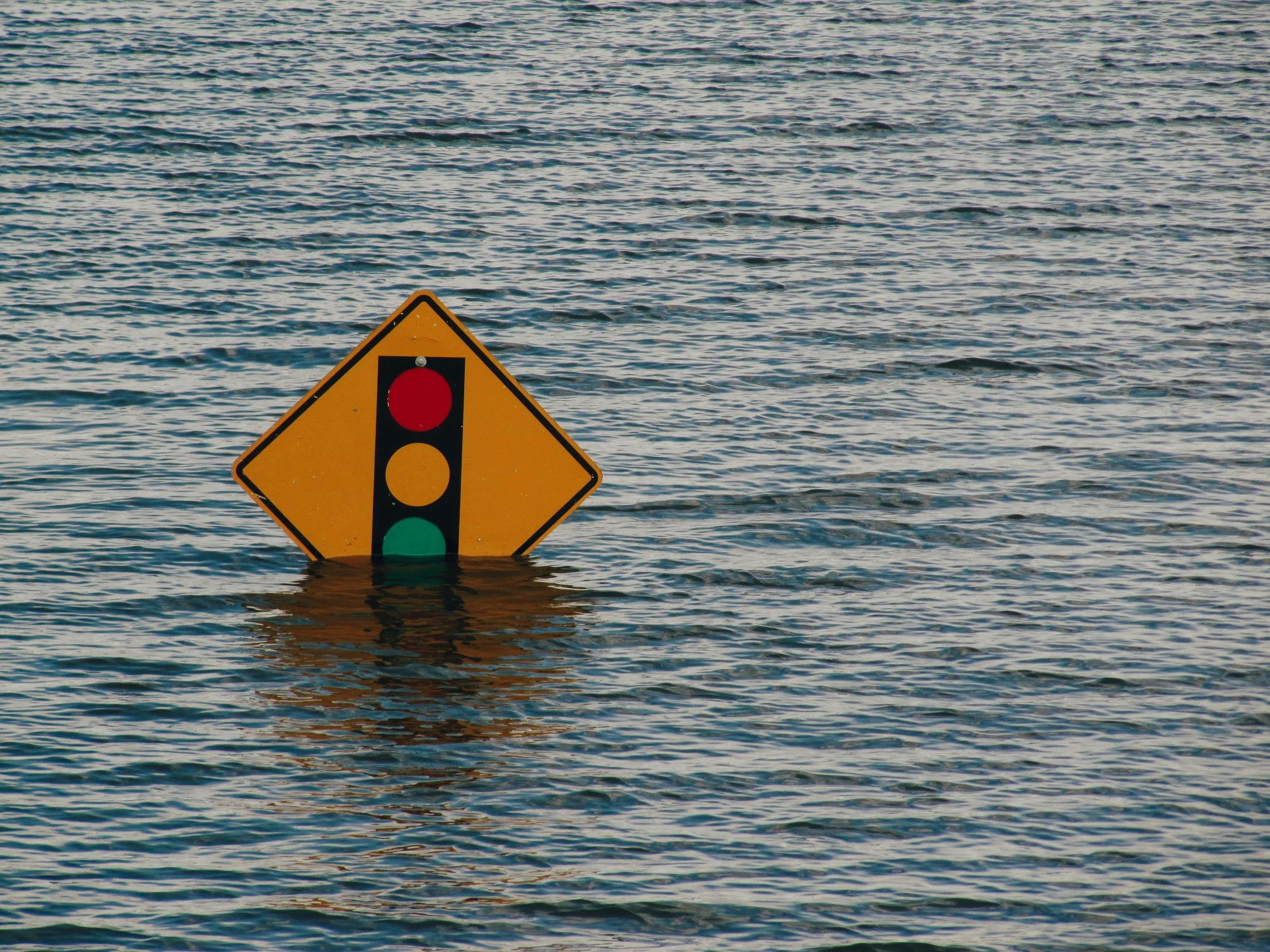
Photo by Kelly Sikkema on Unsplash