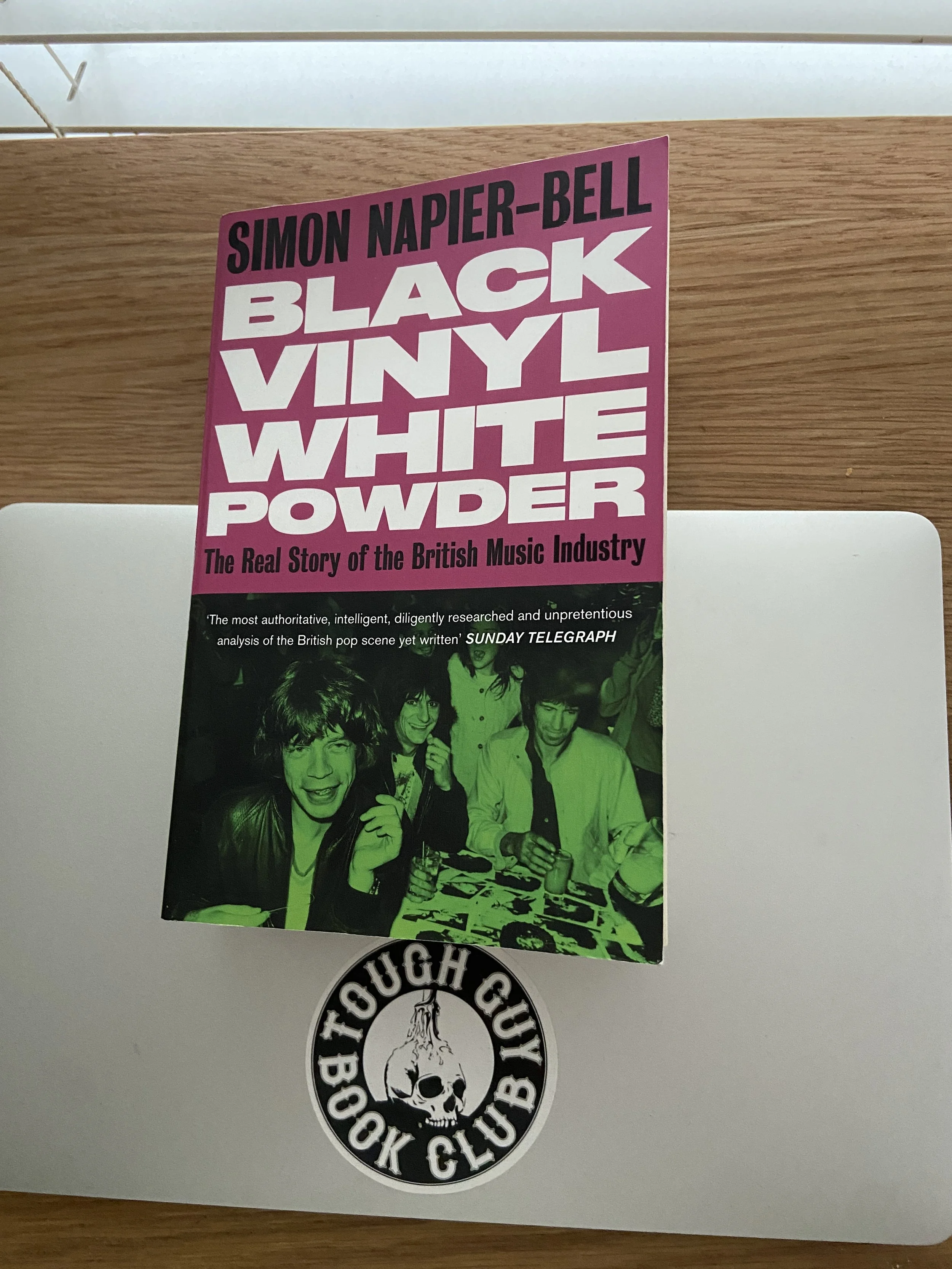
Black Vinyl White Powder by Simon Napier-Bell
Black Vinyl White Powder by Simon Napier-Bell is a sensationalistic title for a book which alleges to be, according to the back cover blurb, “the definitive story of the British music industry’s first five decades as told by the ultimate insider.” To be sure the book does have some interesting insights and comments into the business of pop music. But it is also banal and very gossipy at times, so a real mix of cheap thrills with some good old fashioned I was there and this is how it really happens reporting. But is it worth your time?
First of all Mr Napier Bell was indeed a player in the English Music industry but he never managed or produced any of the really big names in the 60s and 70s like The Beatles or The Who or Bowie etc. He did manage Marc Bolan and T Rex, The Yardbirds (bringing Jimmy Page into the group, which of course led to the formation of Led Zeppelin) and he wrote a big hit for Dusty Springfield. But it was in the 80s and his management of bands like Japan, Ultravox and especially Wham where he really made his mark.
This is not the memoir of a musician, famous or otherwise, so don’t expect stories on how a famous group came together or a hit song was written and how it then all ended up in a drugged-up mess. The best and most interesting parts of the book relate around three central ideas or realities. I have no doubt that Napier – Bell is well positioned to have an opinion on these having seen plenty of action during his long career.
First of which was the stunning inequities of contracts and the sheer rip-offs of the artists that regularly occurred in the music industry in the 20th century.
Everybody made more, and in most cases much, much more from a hit song than the performer and/or the song writer. Managers, producers, music publishers and especially record companies were all handsomely rewarded before the actual talent ever saw a cent. And often for doing not much more than getting a naïve, desperate performer’s signature on a piece of paper. The rise of the super manager like Led Zeppelin’s Peter Grant saw the balance swing more towards the artist but the dirty deals and organised crime influence continued to be major factors. As Taylor Swift demonstrated, they still do today.
Also fascinating is his theory on the underappreciated impact that both class and the influence of either closeted or openly gay businessmen had in the workings of the English Pop music industry during the 60s, 70s and 80s. It is safe to say that in England class is always a factor and the shakeup of English society post WW2 and the rise of the teenager highlighted this in the structure and workings of the British recording industry and its painfully slow struggle to move with the times.
Of more importance was a very strong representation of gay men in key positions throughout the music industry when the changes finally came. Along with Napier -Bell himself and several key record label executives and nightclub owners, the early managers of both The Beatles and The Rolling Stones were gay and he argues this network and the necessity to live a double life ( homosexuality was illegal and actively prosecuted until 1967), was a major shaper of how the industry was able to react and evolve when rock and roll began and then really exploded with the Beatles in 1963. Not to mention that most trends in popular music e.g. disco, rap, have their beginnings in either the African American and/or Gay subcultures and not in the music created by and for conservative white people in the 19th and early 20th centuries.
Finally Napier Bell is fascinated with the how music and the music buying public’s taste for drugs interact. Does the drug bring about the trend in music or is it the other way around? There is no doubt as popular music evolved it mirrored the drugs being consumed. Country and Western with moonshine and speed, Jazz with dope, hippies with LSD etc. Napier-Bell hints that the whole challenge of finding the right talent to sign was largely nothing to do with talent at all, more of the ability of the act to be quickly molded then presented as soon as possible at the advent of a new trend of music or drug. This only became more so as the 80s moved into the 90s and the rise of disco, techno and house music.
So interesting stuff there and somewhat controversial if you are used to reading music auto biographies or biographies that talk about the talent or the muse or the years of practice and gigging etc. Also while manufactured pop acts have been around from the beginning, the late 90s through the to the early 2000s with Boy bands and The Spice Girls took it to a whole other level. Then the rise of the DJ/Producer changed everything once again.
On the downside there is a lot of insider name dropping and obviously extensive quotes from many key figures about drugs and the misbehaving of pop stars. Nothing we haven’t heard or read before but Napier- Bell’s writing doesn’t make you feel outraged or in on a secret. Another band manager describes the musician manager’s role as the same as caring for a bunch for a bunch of misbehaving children 24/7 and that is the tone Napier-Bell uses when describing the misbehaviours, akin to a Nanny boringly recounting what the bad kid in the class did today.
There are some zingers but it is really the old story of too much too young, and the gossipy tone takes some sting out of his interesting propositions.
I wished he had done more with these three interesting threads and less on the gossip. We would have had a better book. BVWP lives up to its title in many ways, but unfortunately the interesting bits are not fully developed. Like the disposable pop of the Boyband variety, BVWP’s cheap thrills pass the time but are soon forgotten. Second hand or library only. I give it 5/10.
Best Playlist to accompany your reading.
Summer Holiday – Cliff Richard
Bye Bye Baby – Bay City Rollers
Telegram Sam – T Rex
Too Shy – Kajagoogoo
Wannabe – Spice Girls
I Want It That Way – Take That